How the DTE Foundation and Creating Habitat for Pollinators Are Strengthening Communities
Across Detroit neighborhoods, once-underutilized spaces are being transformed into vibrant wildflower habitats supporting pollinators, restoring local ecosystems and creating new places for community connection.
Through its partnership with Creating Habitat for Pollinators, the DTE Foundation (Foundation) is helping bring these spaces to life, supporting a growing network of gardens that provide both environmental and social benefits in underserved communities. From community cleanups to seeding events, volunteers and residents are working side by side to restore land and reimagine what shared neighborhood spaces can be.
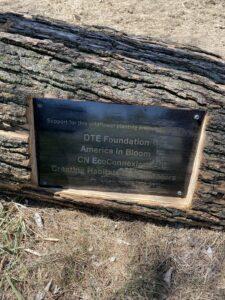
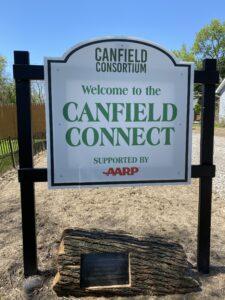
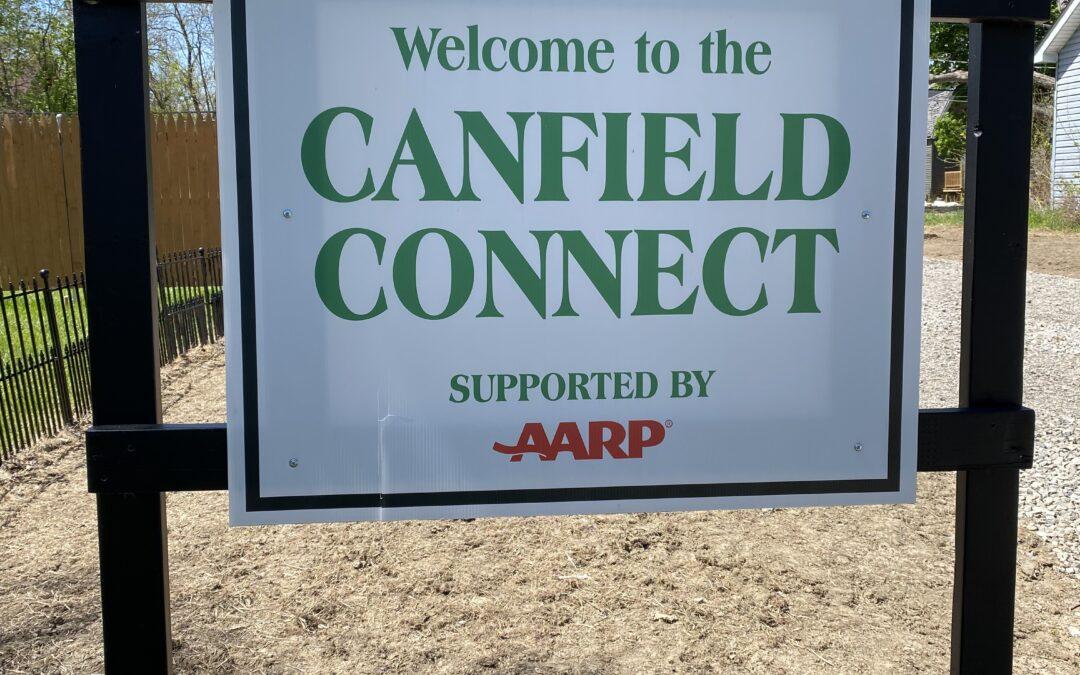
That work was on full display during a community event on May 4, 2026, hosted in partnership with the Canfield Consortium. The day brought together volunteers, community leaders and partners at sites including Canfield Connect, the French Road & Warren greenspace and the Canfield–Lemay flower garden. Participants spent the morning cleaning up debris, preparing planting areas and laying the groundwork for pollinator-friendly habitats across all three sites.
Later in the day, community leaders and partners gathered for presentations and a site tour, where speakers including the Foundation shared the vision behind the project and the importance of long-term stewardship.
For the Foundation, the partnership reflects a broader commitment to environmental sustainability rooted in community leadership. By supporting projects like these, the Foundation is helping turn local ideas into lasting community assets spaces where residents can gather, learn and take pride in their environment.
For Creating Habitat for Pollinators founder David Hammond, the impact has grown beyond what he first imagined:
“When I started this project five years ago, I did so for purely environmental reasons. To help pollinators survive and thrive. While the environmental aspect is still critical, another important byproduct has emerged—the building of community. These wildflower gardens are bringing communities together. They are becoming beautiful and beneficial gathering places—shared spaces where people of all ethnicities and ages can meet, socialize, garden and relax. Because community volunteers help create and maintain these sites, they also have a sense of pride and ownership.
Not only has the Foundation provided valuable funding for these gardens, but it has also facilitated partnerships and cooperation between diverse community groups. Groups like CHP, Canfield Consortium, MACC Development, Kintsugi, and Featherstone Gardens might never have met or partnered together had it not been for the DTE Foundation. Those new partnerships give this project an added layer of depth and complexity.”
That sense of shared ownership is central to the project’s long-term success. While funding helps establish the gardens, it is the ongoing commitment of residents, volunteers and local partners that sustain them.
As these pollinator habitats continue to grow, so does their impact, supporting biodiversity, strengthening neighborhoods and creating spaces where people feel connected not just to nature, but to one another.
If you would like to volunteer with the Creating Habitat for Pollinators, visit: https://creatinghabitats.org