
When safety concerns arise, quick coordination and decisive action can make all the difference, especially in highly sensitive environments like an airport.
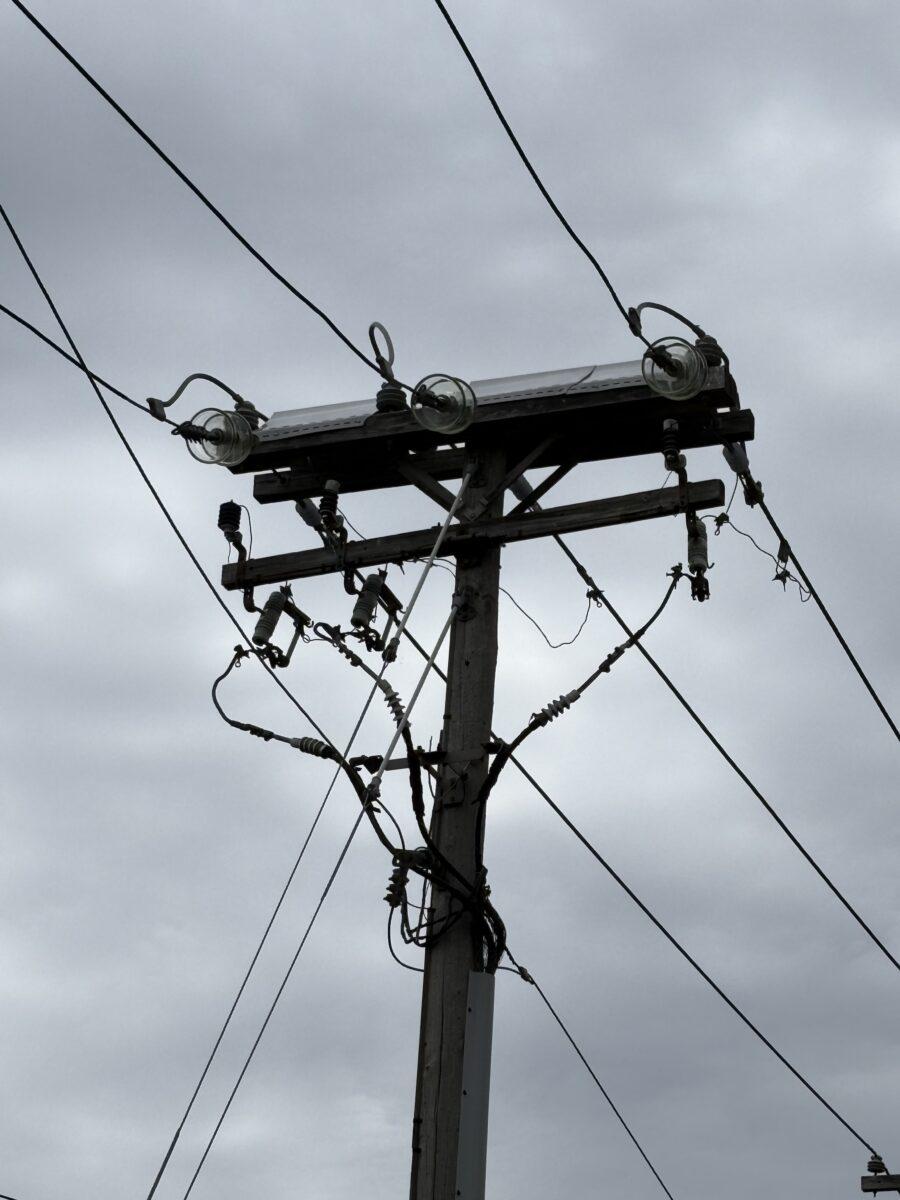
Last week, Detroit Metropolitan Airport (DTW) contacted DTE after noticing an osprey beginning to build a nest on a DTE pole located inside the airport’s fenced area. While the nest was still early in construction, its location posed both an electrical hazard and a potential aviation safety risk if left unaddressed.
“The president of the Michigan Hawking Club, Selena Creed, reached out to me about the ospreys at the airport. She is an airport employee and leads the bird management/mitigation efforts for the airport,” said Chris Paquette, supervisor in Environmental at DTE. “They work to monitor wildlife attractants in a five-mile radius around the airport for flight safety and do their best to dissuade large birds of prey from nesting in that area. I shared our plan for diverters, and they were in strong support. They shared satisfaction and gratitude with how quickly we offered help.”
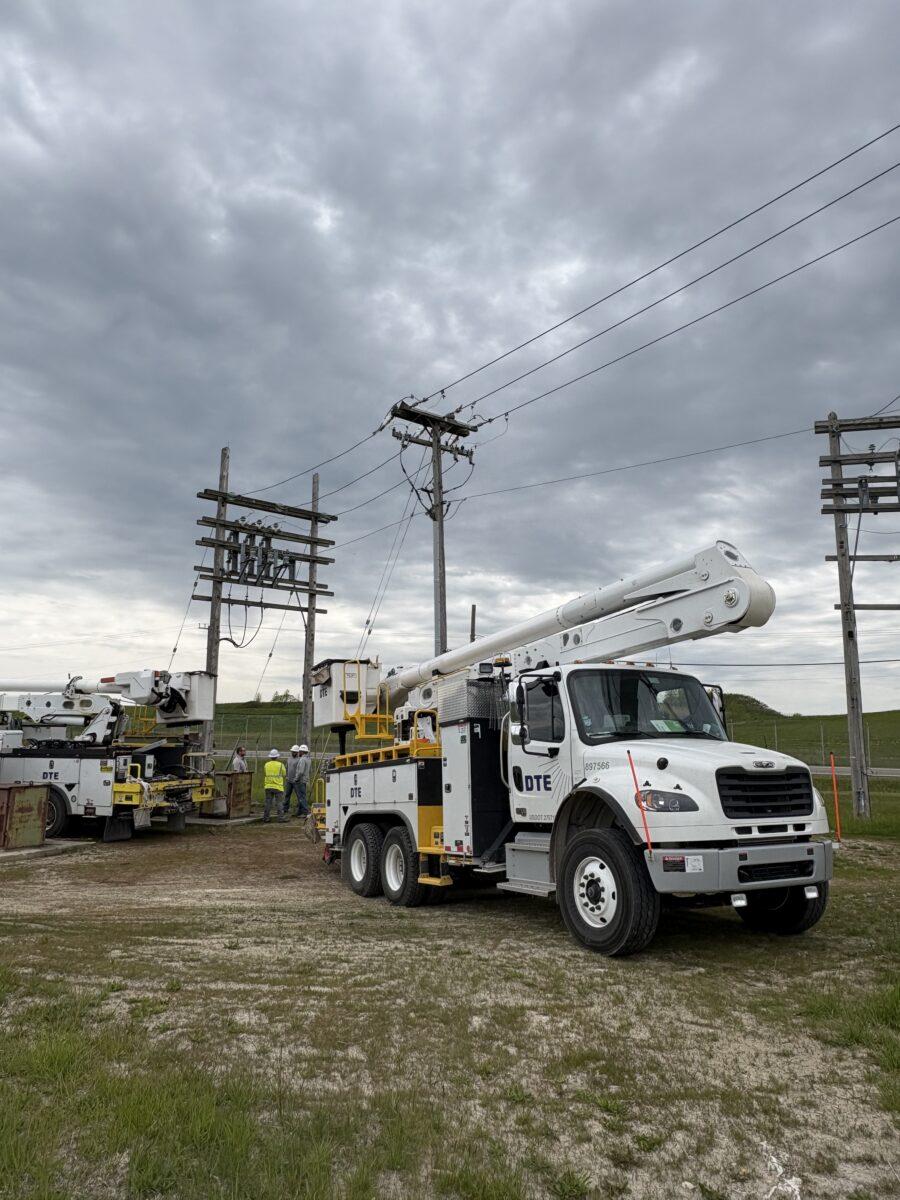
After DTW reached out, Vivian Reid, supervisor in Environmental at DTE, quickly mobilized a team in Distribution Operations to respond. Crews were dispatched the next morning and resolved the situation before it could escalate.
On site were linemen Austin Snow, Jerry Tarjeft and Brandon Perry along with Austin Messing, wildlife biologist with Detroit Metro Wildlife Control. Together, the team safely removed the partially built nest and installed bird diverters to help prevent future nesting on the pole.
The nest was estimated to be only about a quarter built and did not contain eggs. However, DTE crews observed that the birds had used sticks, metal pieces and even heavy-duty zip ties in construction, materials that significantly increase electrical risk.
This situation also prompted an important standards update. DTW requested that nesting platforms not be installed within five miles of the airport to avoid attracting birds into flight paths. That guidance is now being incorporated into DTE standards.
This response highlights the value of strong partnerships, situational awareness and fast decision-making. By acting early, DTE teams helped protect airport operations, electrical infrastructure and wildlife while preventing a small issue from becoming a much larger one.