
Protecting wildlife is part of how DTE powers Michigan.
Across the state, the places where we work – from power plants to service centers to solar sites – are also home to wildlife that help keep ecosystems healthy and balanced. From pollinators that support our food supply to birds that return year after year, these animals remind us why taking care of the place we live matters.
To celebrate the animals we know and love, we created temporary wildlife tattoos featuring a few of the animals that call Michigan home and the work DTE does to help keep their homes safe.
Here’s a closer look at each one.
Bee: Small pollinators with a big impact
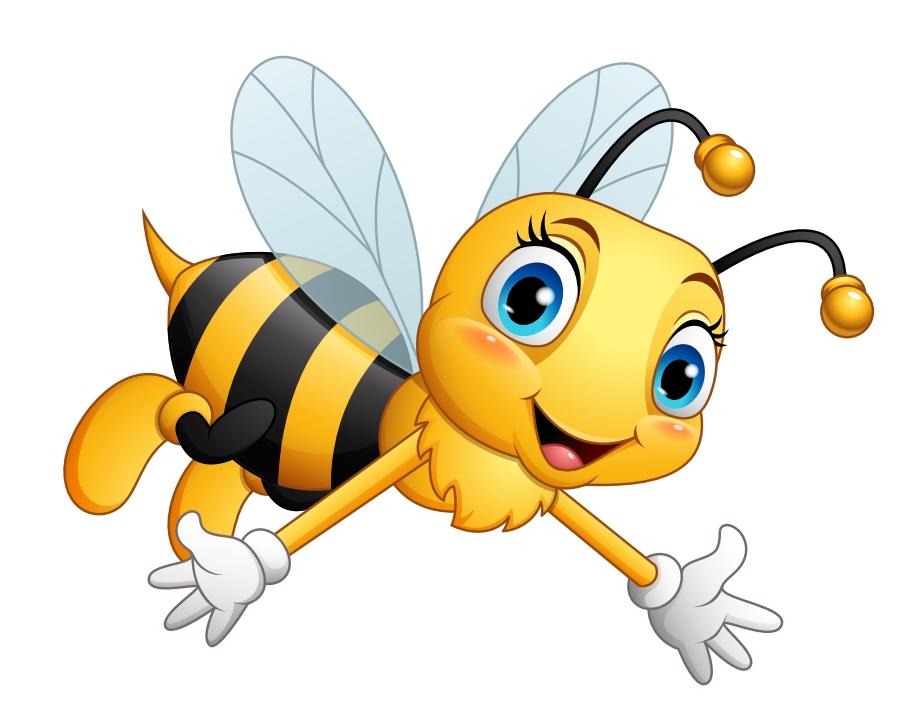 Bees may be small, but they play a big role in our food system and natural environment. Bees are considered pollinators because they help fertilize plants. They help take care of everything from Michigan’s wildflowers to the fruits and vegetables we eat every day.
That’s why creating pollinator-friendly spaces is an important part of how DTE takes care of land across the state. At our service centers and solar sites, native plants and pollinator gardens are designed to provide bees with what they need most: food, shelter and safe places to live without being disturbed.
Eagle: Protecting a famous bird
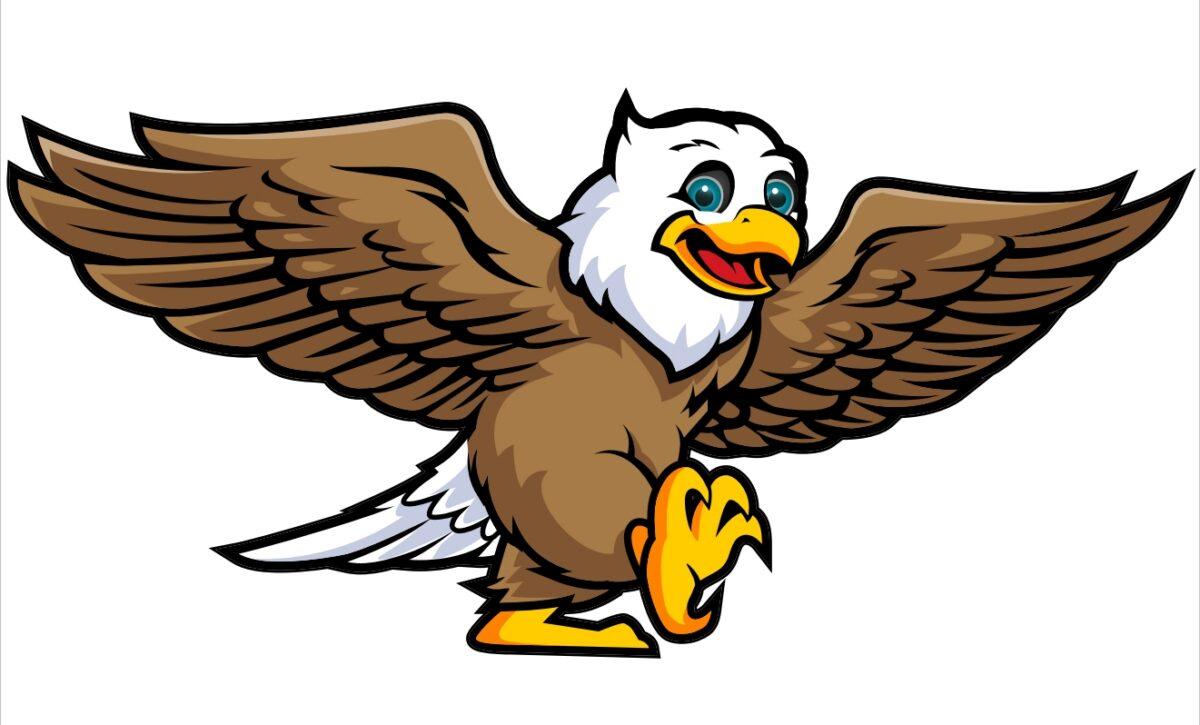 If you’ve ever seen a bald eagle soaring overhead, you will probably never forget it. All across the Great Lakes of Michigan, these birds, who were once almost extinct, are being spotted more and more.
At locations like DTE’s Monroe Power Plant, the way the land is taken care of and managed helps to protect nesting bald eagles and the areas they rely on for food and shelter. Careful planning around at DTE work sites helps make sure they aren’t bothered during nesting season, while partnerships with environmental groups helps to make sure all of our eagles grow and stay healthy for a long time.
Osprey: Building safer places to nest
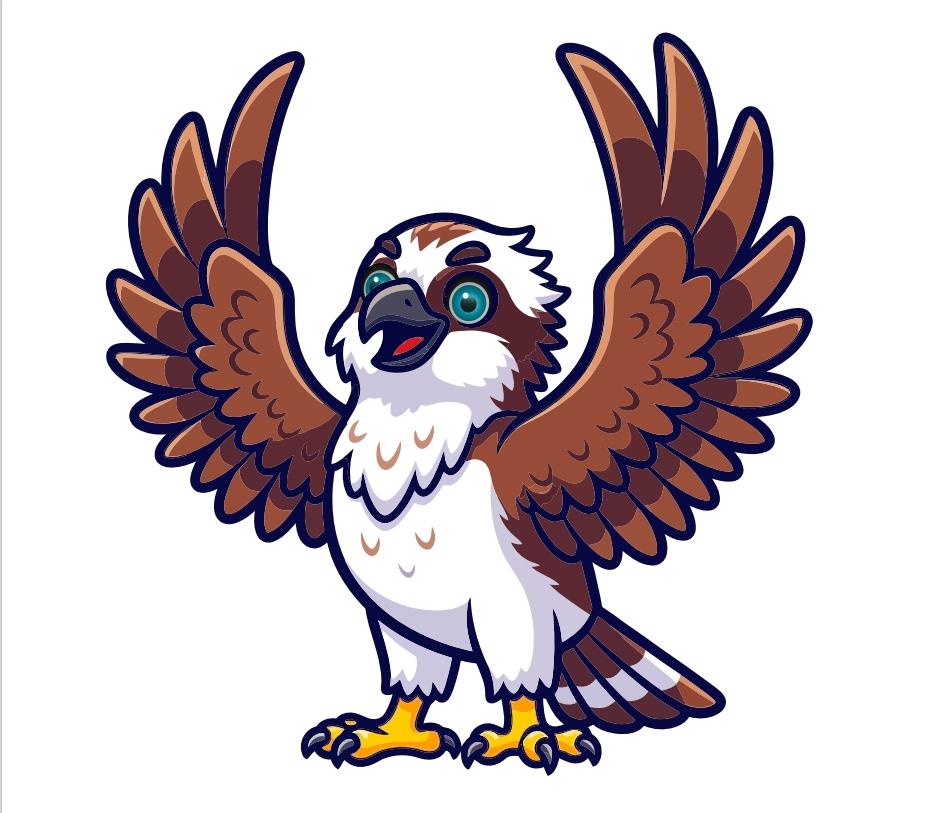 Ospreys are excellent at fishing and often return to the same nesting sites year after year. In areas where they don’t have many places to build a nest, they look to utility poles or other structures that are high in the air- which isn’t safe for the birds or for the equipment they build their nests on.
Installing osprey nesting platforms gives them a safe place to land and build their nests. These big metal platforms sit high in the air and help keep birds protected while also making sure their nests don’t interrupt anyone’s power lines.
Goat: Nature’s landscapers at work
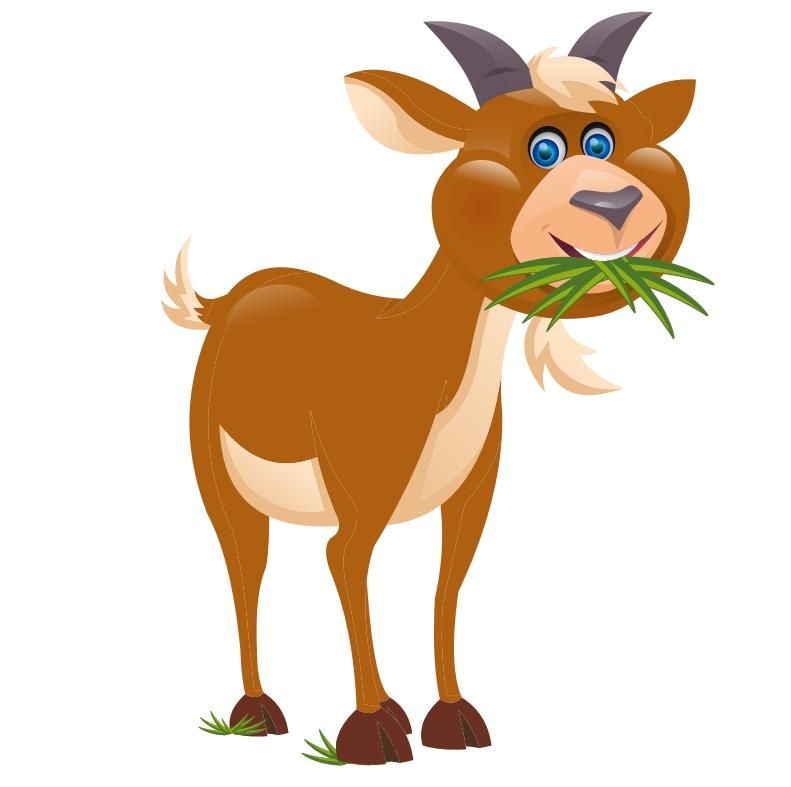 When it comes to cutting the grass and managing stubborn weeds, sometimes DTE relies on a four-legged solution… goats!
Goats are natural grass eaters that can clear unwanted weeds in areas that are hard for lawn mowers to reach, making them very good at the job of keeping our grass and weeds under control while helping the environment. At some DTE service centers, these “nature’s landscapers” help manage grass and weeds without the need for heavy equipment or chemicals.
The goats’ hard work gives us healthier land, better places for native plants and animals to live, and a quieter way to care for the places we use to take care of our customers. And… their bellies are always full!
Monarch butterfly: Fueling a long migration
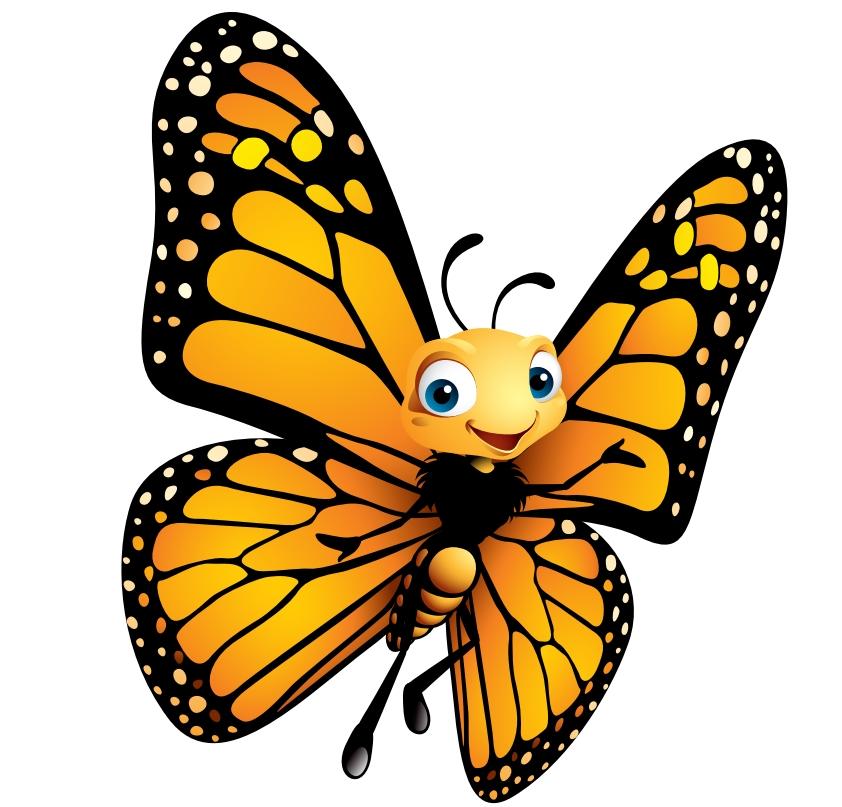 Monarch butterflies are known for traveling thousands of miles each year. Along the way, they depend on certain plants – especially milkweed – to rest and give them more energy for their long trip.
Supporting monarch-friendly habitats helps give these butterflies a better chance to survive their long journey. DTE keeps milkweed planted in many of our service areas and makes sure that milkweed is protected so it is not cut by lawnmowers (or goats!). Every patch of land that keeps monarch’s food protected helps make sure they can continue their amazing journey to Michigan for years to come.
From pollinators and birds to grazing goats and migrating butterflies, these animals represent just a piece of DTE’s work to protect Michigan’s natural resources.
By managing land responsibly and working alongside nature, we’re helping create healthier ecosystems for wildlife, for communities and for future generations.