
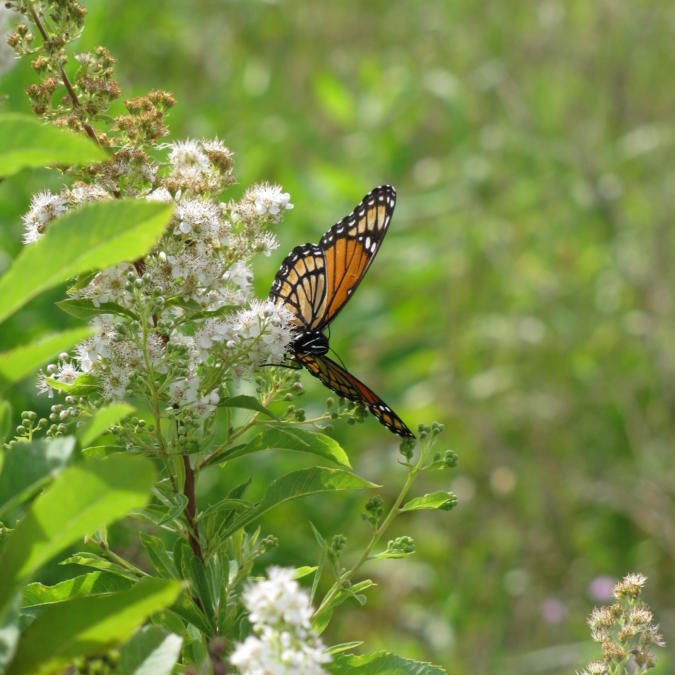
Pollinators may be small, but their impact is mighty and so is the difference we can make.
During Pollinator Week, June 22–28, DTE is doing more than just recognizing the vital role pollinators play in our environment – we’re spotlighting how you can roll up your sleeves and help protect them in meaningful, hands‑on ways.
From bees and butterflies to birds, bats and beetles, pollinators support the ecosystems that feed us, fuel our economy and sustain our communities. Yet many of these species continue to face serious challenges.
“Pollinators are essential to our daily life and to our economic system, providing ecological services like pollination that lead to one out of every three bites of food we eat being provided by pollinators,” said Kristen LeForce, senior environmental engineer at DTE. “But these important creatures are still in danger, with an estimated 25% of bumble bees thought to be in serious decline.”
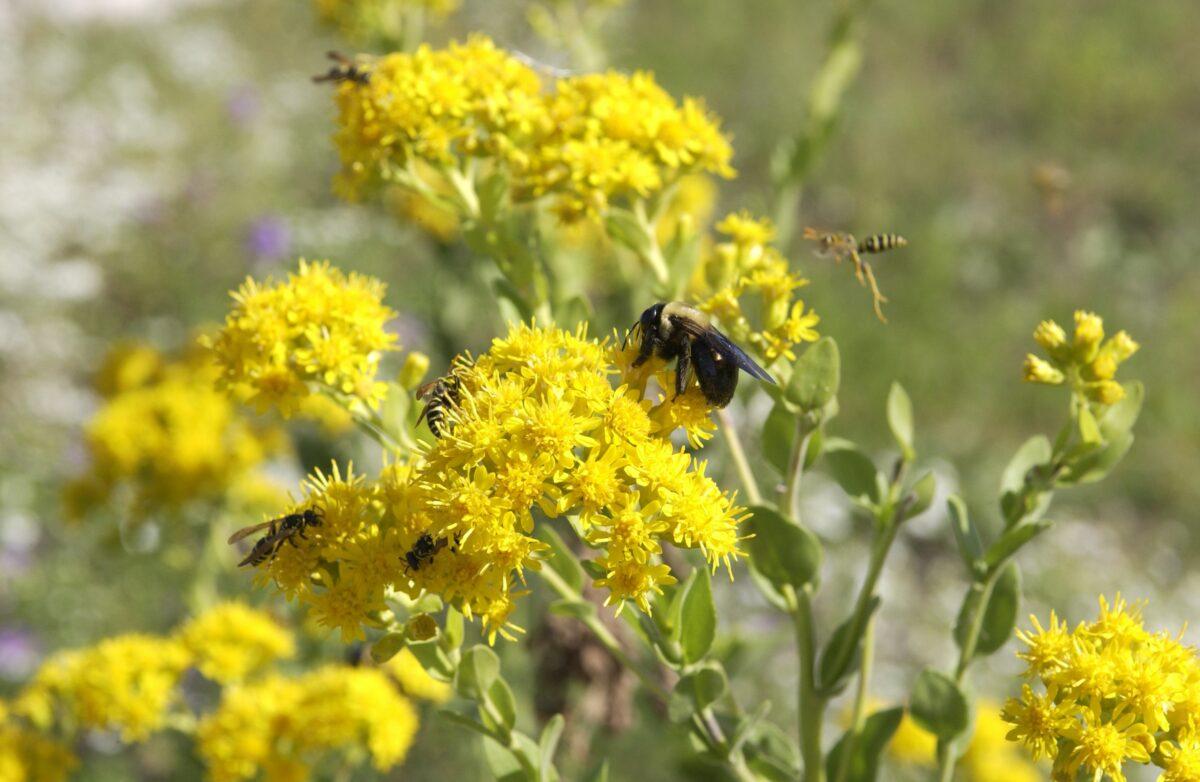
Pollination is the first step in producing seeds, fruits and the next generation of plants. As pollinators move from flower to flower feeding on nectar or pollen, they help plants reproduce and thrive. That process supports the fruits, vegetables and nuts we eat every day, along with plants that provide fibers, oils and raw materials, prevent soil erosion and help capture carbon from the atmosphere.
Despite their importance, pollinator populations continue to decline across the United States due to habitat loss, chemical misuse and a changing climate. Protecting them requires more than awareness, it takes action, and that work is already taking root across DTE.
Supporting pollinators is an ongoing part of DTE’s environmental work. Teams help create and protect habitat through pollinator gardens at service centers, native prairie management at power plants, pollinator-friendly habitat within solar installations and community partnerships focused on conservation.
“These efforts are about more than land management, they’re about stewardship,” said Mike Brennan, supervisor in Environmental at DTE. “They show how thoughtful decisions can support biodiversity while delivering energy safely and reliably.”
Company-led projects are important, but pollinator protection does not stop at the fence line. Pollinator Week is also a chance to take action personally – by planting habitat at home, volunteering in the community or learning more about the role pollinators play in healthy ecosystems.
Keep the momentum growing
To lend a hand beyond your own gardens you can support local organizations working to restore habitat, care for native plants and create pollinator-friendly spaces across Michigan. Check out the volunteer opportunities below to find one near you:
- Plymouth Pollinators
- Bees in the D
- Rochester Pollinators
- Detroit Wildflower Nursery
- Friends of the Rouge
- The Michigan Nature Association calendar is full of volunteer opportunities all over the state.
“Saving pollinators takes all of us rethinking how we manage our green spaces,” Kristen said. “Planting native species – even in containers on a porch – or converting small sections of lawn into habitat can help provide food and shelter for native bees, butterflies, moths, hummingbirds and more.”
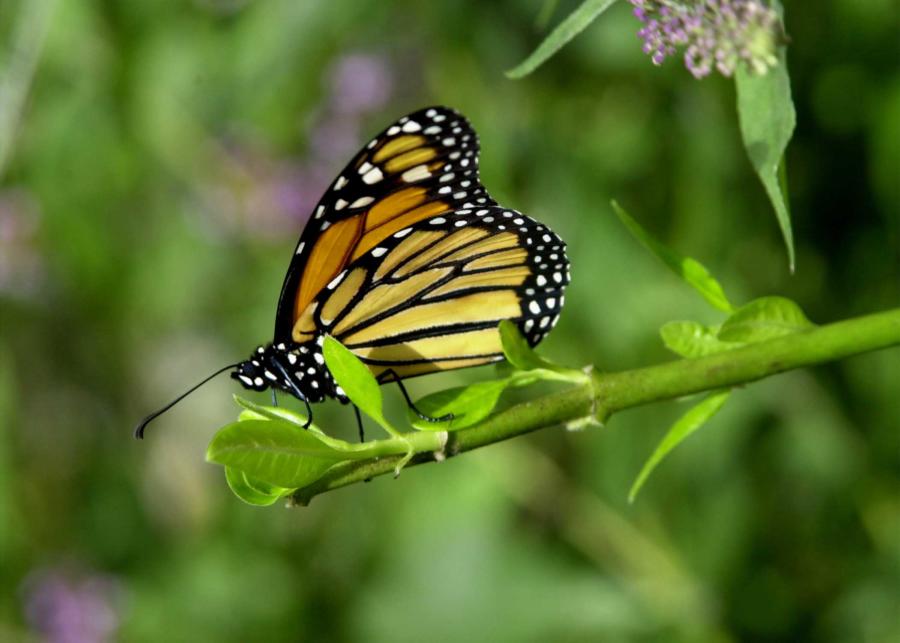
Dig in through learning
Keep learning throughout the week by participating in the Pollinator Power Party, a fully digital event that brings together organizations, businesses and communities working to protect pollinators. Sessions highlight how pollinators connect ecosystems and people – and how those lessons can be turned into real-world action.
Supporting pollinators can be as simple as buying local honey, choosing locally grown foods or visiting farmers markets and nurseries to find plants native to Michigan.
Where to buy local native plants:
- Wildtype Native Plant Nursery
- Detroit Abloom
- Detroit Wildflower Nursery
- East Michigan Natives
- Michigan Wildflower Farm
- Friends of the Rouge
- Nature Niche
- Stantec Native Plant Nursery
- Adapt Ecology
Whether you plant a few seeds, volunteer for a habitat project, shop for native plants or simply make room for more pollinator-friendly spaces at home, every action helps build a healthier environment.
“Any action, no matter the size, can have a positive impact,” Kristen said. “When we all contribute in small ways, the collective benefit to our environment is significant.”