
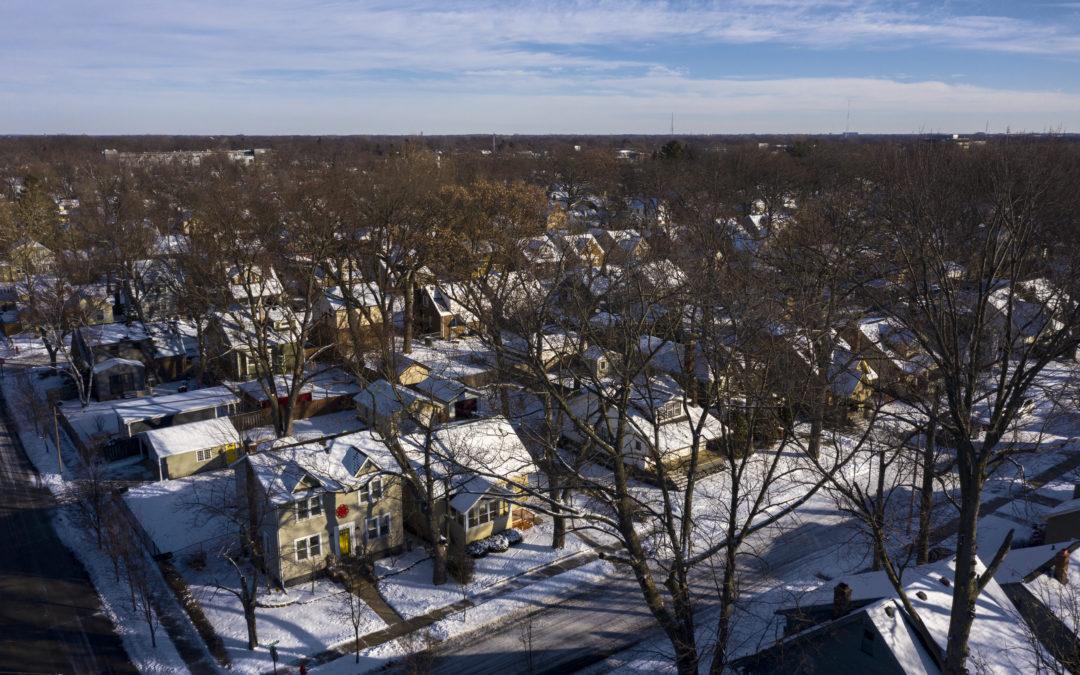
As charming as they can be, older homes often use more energy due to poor insulation and inefficient windows. Remember that colder weather increases your energy usage and bill. Electricity powers more of your home than you might realize – including your furnace – so even if your habits stay the same, your energy bill may rise in winter. Here are some low-cost tips to prepare your older home for winter so you can save energy and money.
Understand your home’s energy usage: The main impacts on your winter energy bill are heating, extreme weather, and time spent inside using appliances, lights and electronics. Use DTE’s free Bill Analyzer Tool to see how your home used energy last winter and prepare yourself for the season ahead. With the tool, you can:
- Analyze your energy usage by the hour, day, month or year
- See how weather affected your energy usage
- Learn what appliances in your home are contributing the most to your bill
The tool updates daily, so you can monitor your usage throughout the season.
Allow a clear path for warm air: Whether you have baseboard heaters, radiators or forced air, make sure these have a clear path to warm your home. Move drapes, furniture and rugs so that they aren’t blocking your heat and avoid placing holiday decorations near them.
Seal the leaks: Drafty windows and doors are common culprits in older homes. Use weatherstripping or caulk to seal gaps around frames. Consider installing thermal curtains or window insulation kits to keep the cold out and the heat in.
Buy draft stoppers: Older homes are more likely to have drafty areas that can’t be fixed easily (or cheaply). Draft stoppers are an affordable option to place against walls, doors or windows to help with this.
Maintain your furnace:Keep up to date with maintenance on your furnace by scheduling a furnace tune-up to ensure it’s running at peak efficiency. In addition replace your furnace filter at least every three months so air flows efficiently to warm your home. You may need to replace this more often if you have many people living in your home or have pets.
Embrace cozy layers: Warm throws, fuzzy socks and your favorite sweatshirt not only make you cozy, but they can also help you resist the urge to dial up the thermostat. Wearing these will help you reduce the amount of energy needed to keep you warm.
Add insulation if you can: Many older homes lack adequate insulation for the winter. Check your attic, basement, and crawl spaces for exposed areas. See if you’re eligible for an insulation rebate, or add spray foam insulation to dramatically improve heat retention and reduce energy use. Don’t forget to insulate exposed pipes to prevent freezing.
Are you struggling to pay your energy bill? Don’t wait to ask for help. Visit dteenergy.com/help to find out what assistance is available for you and your family.