
At first glance, a power plant, service center or downtown office may not seem like a destination for wildlife, but DTE’s environmental team has been working behind the scenes for years to change that. Across the company, employees are proving that even working landscapes can provide food, shelter and room for native species to thrive.
DTE manages 36 Wildlife Habitat Council (WHC) certified sites spanning approximately 3,800 acres across Michigan. Earning certification comes from the Tandem Global WHC certification program and is more than a one-time recognition. It reflects an ongoing commitment to conservation programs that protect native species, improve habitat and monitor wildlife, along with opportunities for employees and communities to take part in the work.
“DTE is one of the largest landowners in Michigan, and we have a responsibility to manage our properties in an environmentally friendly manner,” Don Januszek, supervisor in Environmental at DTE said. “The Tandem Global WHC certification program is an important part of our commitment to maintaining habitats for wildlife and pollinators while focusing on Michigan native plantings.”
From Muskegon to Monroe, employees are investing time and effort in a range of projects to achieve and maintain WHC certification.
At Fermi, coastal prairies help replace habitat lost along the Detroit River and western Lake Erie shoreline. The site sits where two major migratory bird pathways meet, making its prairies, wetlands and upland forest important places for birds to rest and refuel. Teams are also working to control invasive phragmites and protect the diverse habitat already there.
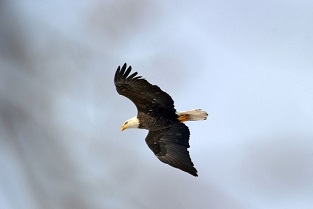
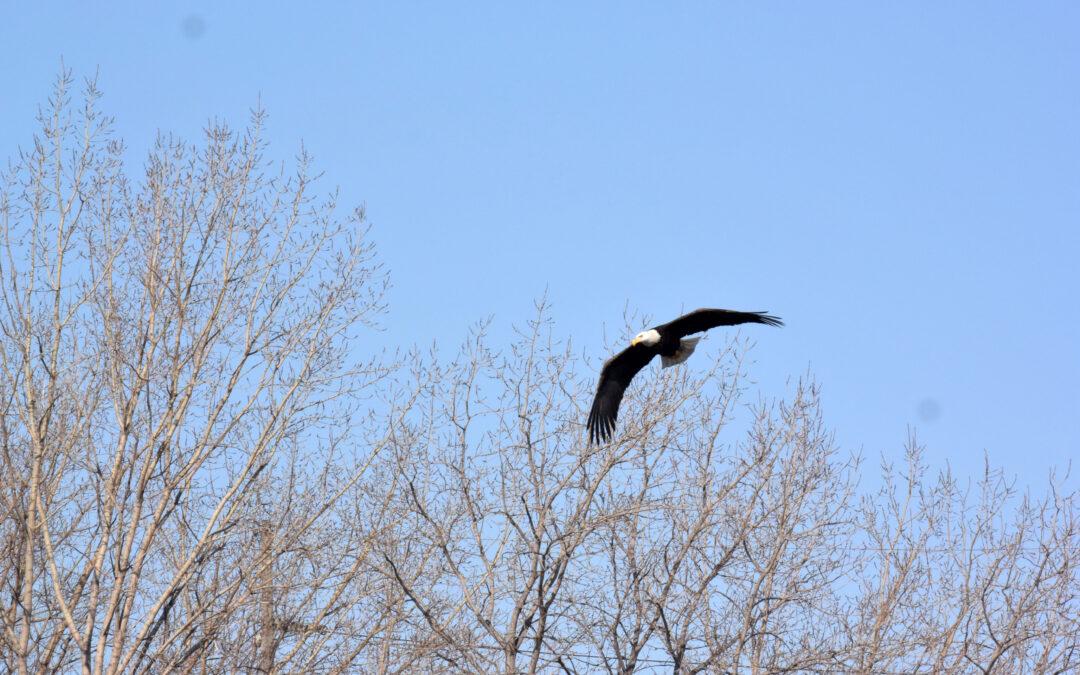
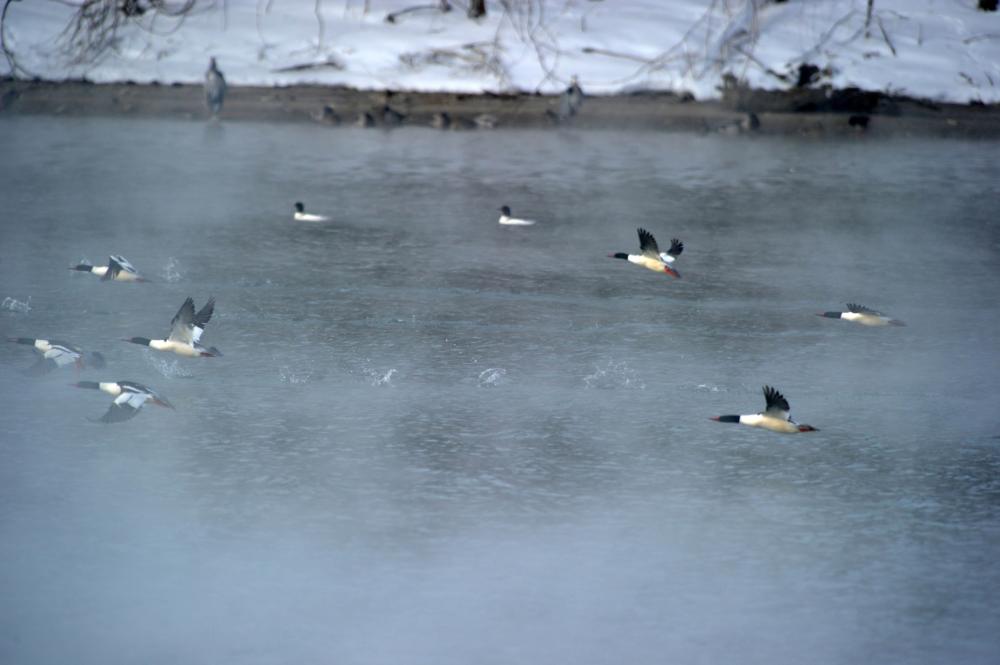
At Monroe Power Plant, prairie, wetland and shoreline projects support birds, reptiles, amphibians and mammals. The plant’s warm-water discharge canal remains open during winter, providing feeding habitat for bald eagles. Nesting boxes and safety netting also support peregrine falcons, while shoreline cleanups and native plantings improve habitat for gulls and migratory birds along Lake Erie.
Across DTE’s western and northern territories, habitats provide space for bats, bees, turkeys, ducks, monarch butterflies and other wildlife to thrive.
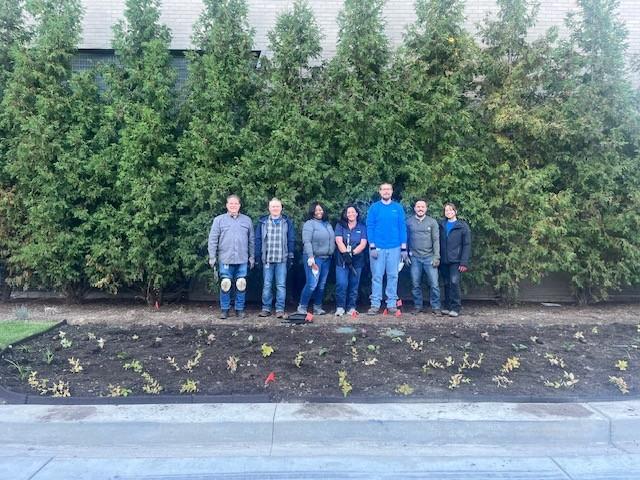
That same approach is now taking root at DTE’s downtown headquarters. Employees recently created a native wildflower garden to support the site’s wildlife habitat certification, creating a new pollinator-friendly space in the city.

Volunteers removed existing sod, spread compost, planted flower plugs and added mulch to help the garden get established. The planting plan features Michigan native flowers selected to provide color and food across the growing season, including wild petunia, bergamot, marsh blazing star, showy coneflower and goldenrod. Together, the mix offers nectar and habitat for bees, butterflies, moths and hummingbirds from spring into fall.
The garden shows that conservation does not always require a sweeping landscape. A thoughtfully planted corner downtown can become a valuable stop for pollinators while giving employees a hands-on way to support biodiversity where they work.
Behind every certified site are employees who plan projects, track progress, remove invasive species, monitor wildlife and volunteer their time. Their work connects DTE facilities to a larger network of habitats across the country that demonstrate what environmental stewardship looks like in practice.
Whether it is a coastal prairie, an eagle feeding area or a bed of wildflowers outside a downtown office, each project helps create a little more room for nature. Together, those spaces add up to a healthier, more connected landscape for wildlife and the communities we call home.