
Whether they’re small enough to power your cell phone or large enough to power a city, batteries have been commonplace for decades.
At DTE, our battery energy storage systems use batteries that are designed to last for 20 years, providing stored power to customers to reduce strain on the grid. But what happens when they run out?
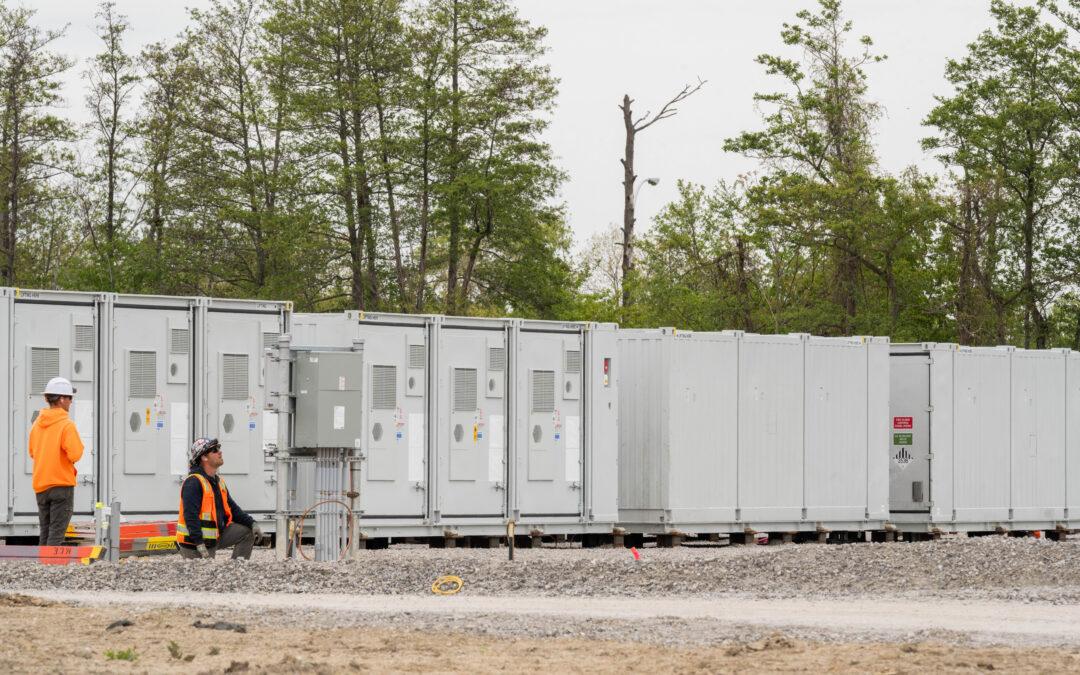
Most of us can just swap out our dead AA’s for new ones, but when we’re talking about replacing batteries the size of a person, things are a bit different. Though these battery energy storage systems are far from being at the end of their lives, DTE has plans to safely recycle the batteries they house once they are no longer in use, reducing the impact on the environment we all share.
These lithium-ion batteries are either broken down with pyrometallurgy – this means using high temperatures to extract and purify the metals – or hydrometallurgy – dissolving solid materials to extract the valuable metals.
Either process helps us to reduce the need for lithium mining, while keeping harmful pollutants out of the environment; and thanks to those involved in the careful planning of the lifecycle of our battery systems, we can maximize the value and the environmental benefits they provide our customers.
To learn more about energy storage and how you could benefit from it, visit dteenergy.com/renew.