
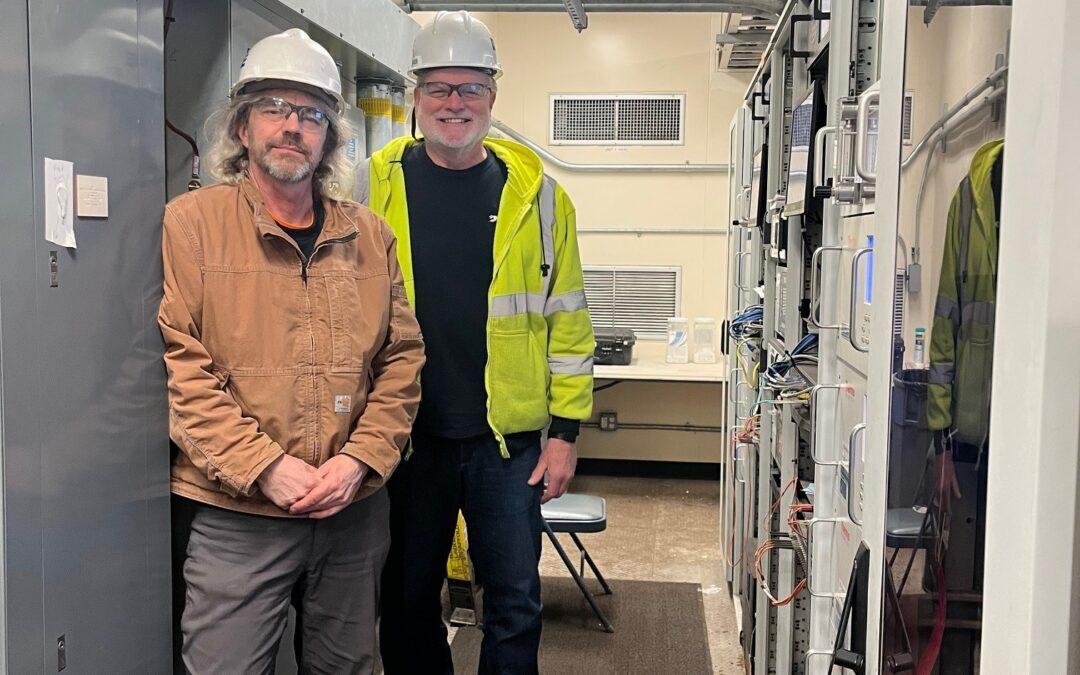
On any given day at DTE plants, high above the plant floor, and often out of sight, a specialized group is doing work that’s critical to how the company operates responsibly: stack testing.
A recent visit to the Monroe Power Plant highlighted the work of DTE’s stack testing team and the unique nature of their job. It’s a role that blends science, safety and precision and one that requires exceptional adaptability and dedication.
The team of Mark Grigereit, Fred Meinecke, Mark Westerberg and Ken St Amant average around 40 years of experience on the job and few have come along with the skills, expertise and willingness to take on the job duties they fulfill each day.
“I’ve worked with Fred and Mark for over thirty years, since the early nineties. I guess you could say that what I like the best about my job is the people you meet and the friends you make along the way,” said Westerberg of the stack testing team.
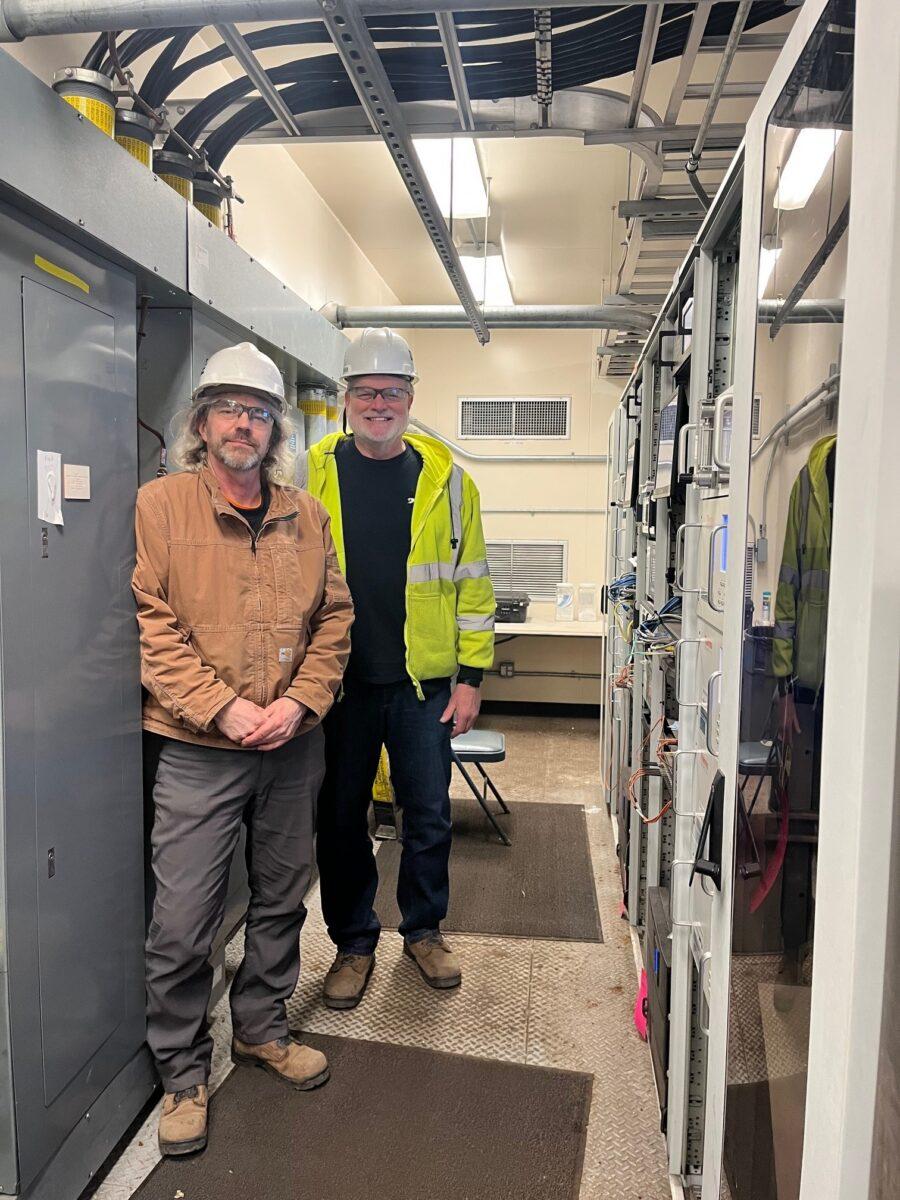
Ken St Amant and Mark Westerberg
Stack testing is the process of measuring emissions released from plant stacks to ensure operations meet environmental requirements. While the work itself is highly technical, the environment in which it takes place makes it especially challenging.
Stack testers work across different units and elevations at DTE plants, coordinating closely with the Environmental Management & Safety (EM&S) team and plant operations. Their schedule is often dictated by weather, unit availability, regulatory compliance and plant conditions.
Unlike many other jobs, there’s no typical day for a stack tester.
Testing days start early and can stretch long into the evening, depending on conditions and test results. The work requires navigating industrial structures, hauling specialized equipment and performing detailed measurements, all while maintaining a strong focus on safety. Even minor changes, like wind or temperature shifts, can impact testing schedules, requiring teams to adjust plans in real time.
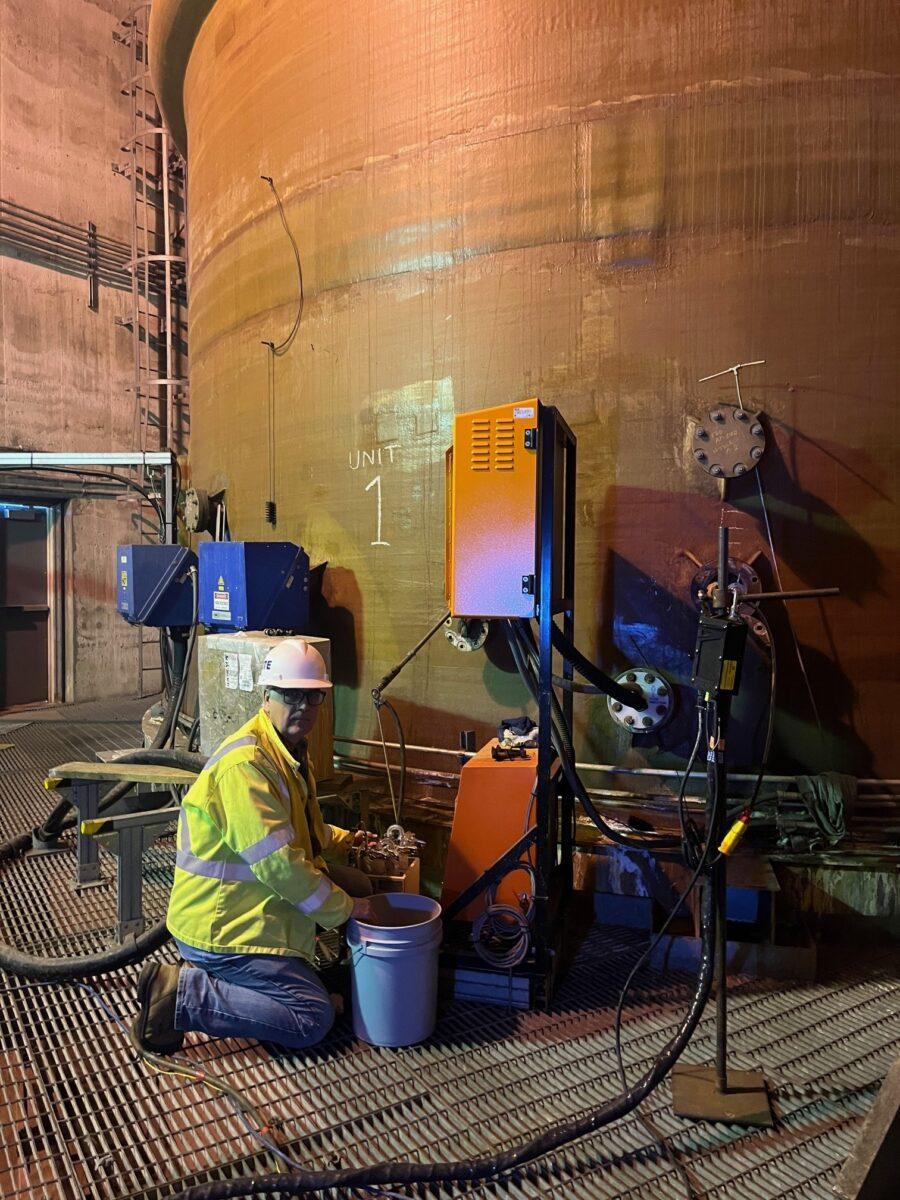
Mark Grigereit sets up a test
The team’s adaptability was evident during the visit. The day before they had spent nearly 12 hours on the job with constant setbacks, requiring them to start over again the following day to achieve the outcomes needed. Plans changed, conditions evolved and the testers adjusted seamlessly, a testament to their experience and teamwork.
“My typical day consists of getting up at 4 a.m., on the job by 6 a.m. Some jobs are eight hours, some 12 or more, you never know,” said Meinecke. “There can be scheduling issues, plant equipment issues, staffing difficulties. It’s a very challenging job but I like it because I don’t sit behind a desk. It’s fun being at a different facility each week and I like working with the team I’m on.”
While the setting may be industrial, the mission is clear: accurate data always matters.
The results gathered by stack testers support our environmental compliance efforts and help ensure operations align with regulatory standards. Their work plays a behind‑the‑scenes role in protecting the environment and maintaining trust with regulators and the communities DTE serves.
This responsibility means there’s little margin for error. Every measurement, setup and reading must be done correctly, often at around 500 feet off the ground and under physically demanding conditions.
“Most of the time I’m in a stack 300-500 ft in the air or working out of a manlift or off of scaffolding,” said Meinecke.
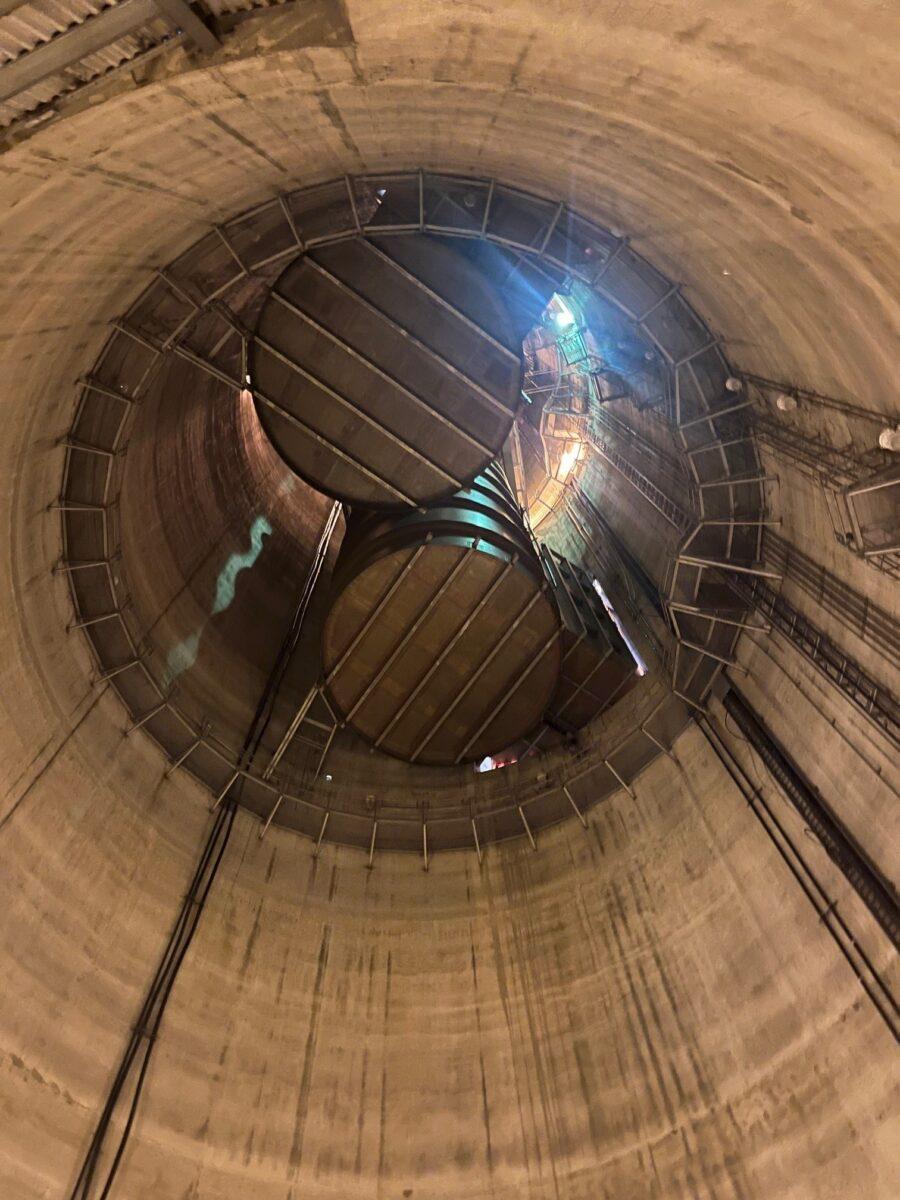
A look up the stacks from the inside
Most employees and customers will never see a stack test in progress. But the impact of this work is far‑reaching.
By ensuring accurate emissions monitoring, stack testers help the company operate transparently and responsibly. Their work supports environmental stewardship goals and reinforces our commitment to doing what’s right, even when the work happens out of sight.
“DTE’s dedication to environmental compliance has allowed our group to perform testing at a level which rivals the best consulting firms in the country,” said Grigereit.
After spending time with the team at Monroe, one thing was clear: stack testing is more than a technical function. It’s a demanding, essential role carried out by people who take pride in precision, safety and accountability – single time.
“DTE has been very good to me ever since I got here. I have not looked back and have enjoyed pretty much the whole time. Good people, good place to work,” said Meinecke.
His coworker shared similar thoughts about his role as a stack tester, “It has been a wonderful career, and I am proud to have been a part of Environmental Management and Safety,” said Grigereit.
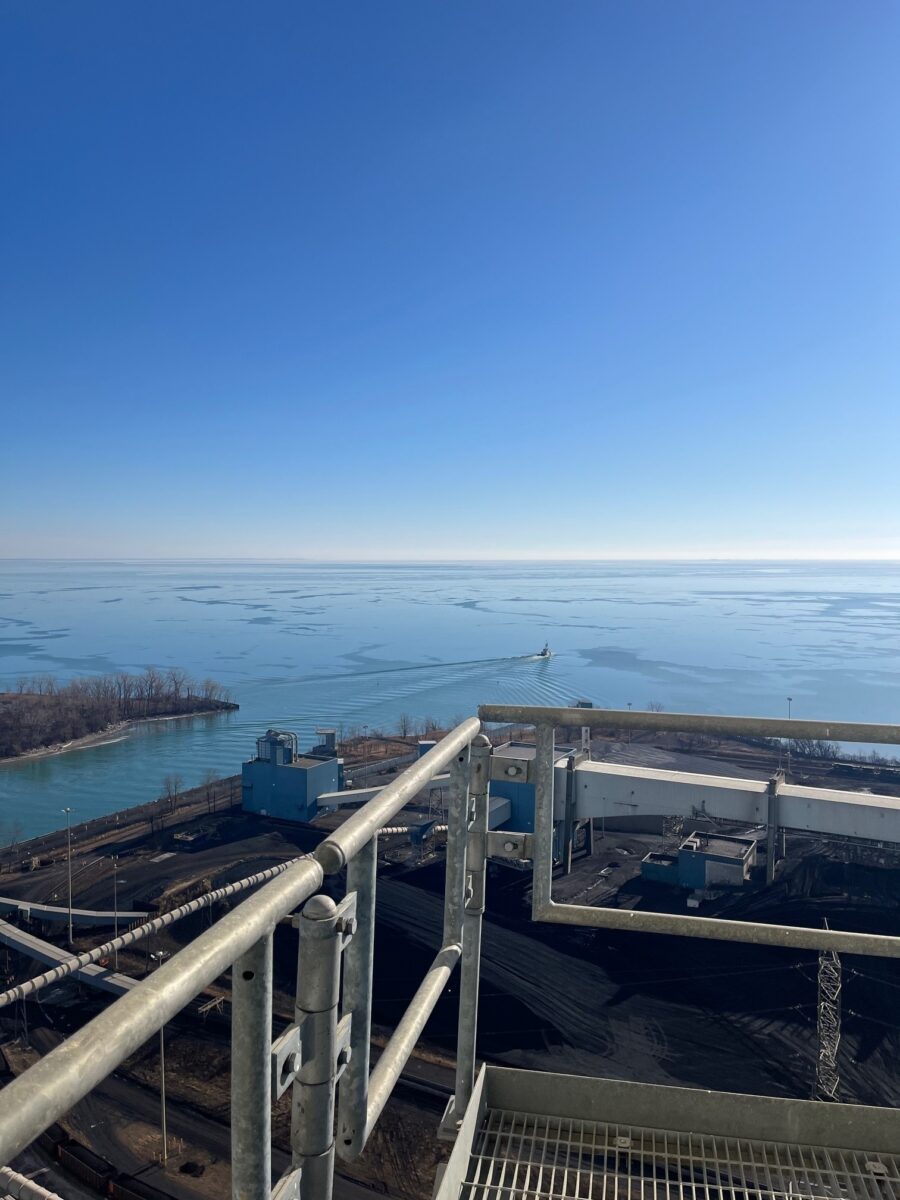
A view of Lake Erie from high up in the stacks