
As many Michiganders know, this time of year is one of great transition. With the end of Daylight Saving Time, this change becomes even more evident as our days get shorter and nights get longer.
Daylight Saving Time was created to increase our country’s efficiencies both in fuel conservation and how we used resources during World War I. It was only supposed to last seven months, being discontinued nationwide at the end of the war. However, states continued to observe the time change, which starts in March and ends in November, until it became law by Congress measure in 1966.
The longer nights that come with the end of Daylight Saving Time doesn’t have to translate to increase in your energy bill. Here are a few tips and tricks to help you save and be more energy efficient.
- Reverse fan
- Make the most of morning light – daylight start earlier – open curtains allow sunlight to naturally warm and light your home.
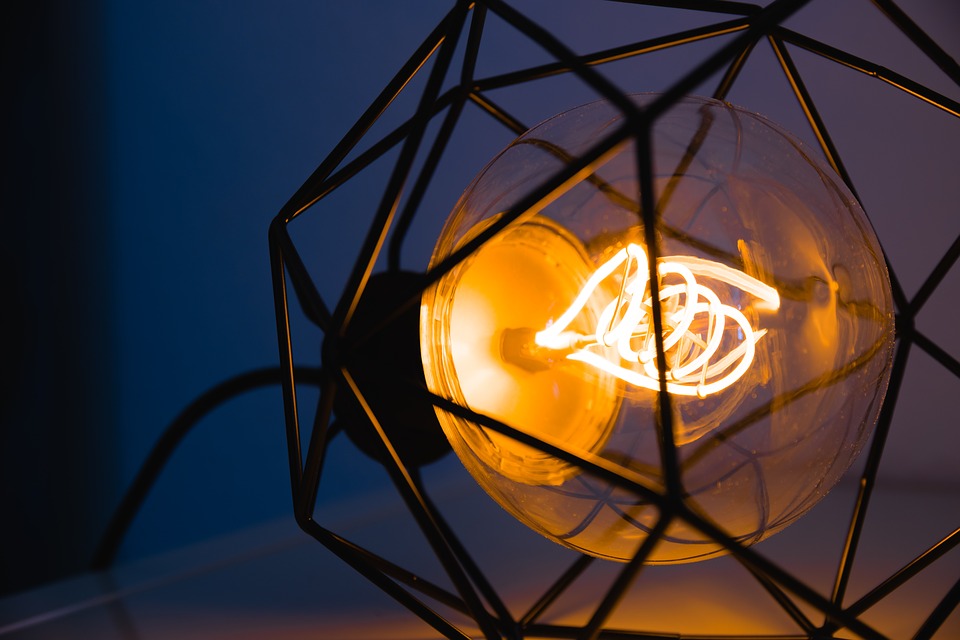
- LED lights/timers as it gets darker in the evenings
- Use a programmable thermostat! When you are home or awake, set the thermostat as low as is comfortable.
Daylight Saving may be over, but the savings in your pocketbook doesn’t have to be.
Revised from original blog posted October 28, 2018.